" height="257.55883680668444px" id="arcvql1ck" width="256.135360666068px"/></svg>)
The Meta
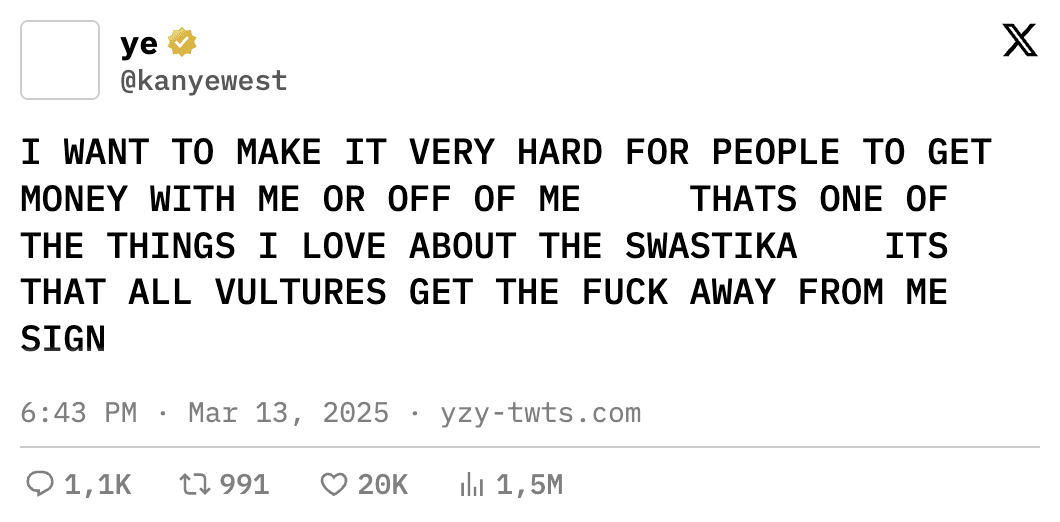
In early 2025, Kanye West publicly announced he intended to launch a crypto token — and pointedly added that it would be difficult to profit from him. That statement was all it took. Hundreds, if not thousands, of meme coin traders read it as a signal, convinced the artist had set some kind of game or treasure hunt in motion.
Tokens referencing Kanye, YZY, Ye, Yeezy, swastikas, and Nazi-adjacent imagery flooded the market, each tied to his recent controversial statements about Hitler and Nazism. Communities formed rapidly around the shared mission of identifying the real token — and each group, inevitably, found its own coded messages, suspicious coincidences, and "proof."
We are no different. Our small group found Yei early, and what follows is our attempt to document every clue, coincidence, and working theory pointing to Ye as the force behind it. We'll be upfront: Yei is not the obvious candidate. But that's precisely what makes it compelling — and consistent with Ye's own promise to make things difficult.
The Obvious
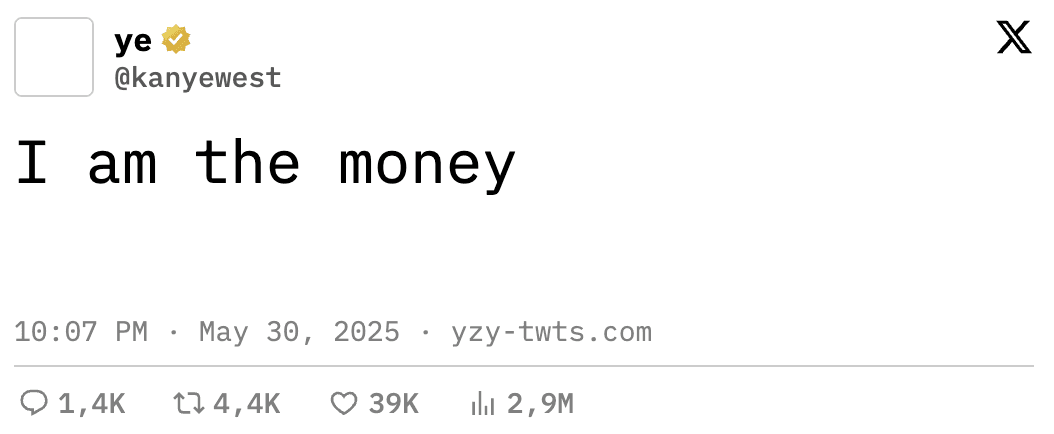
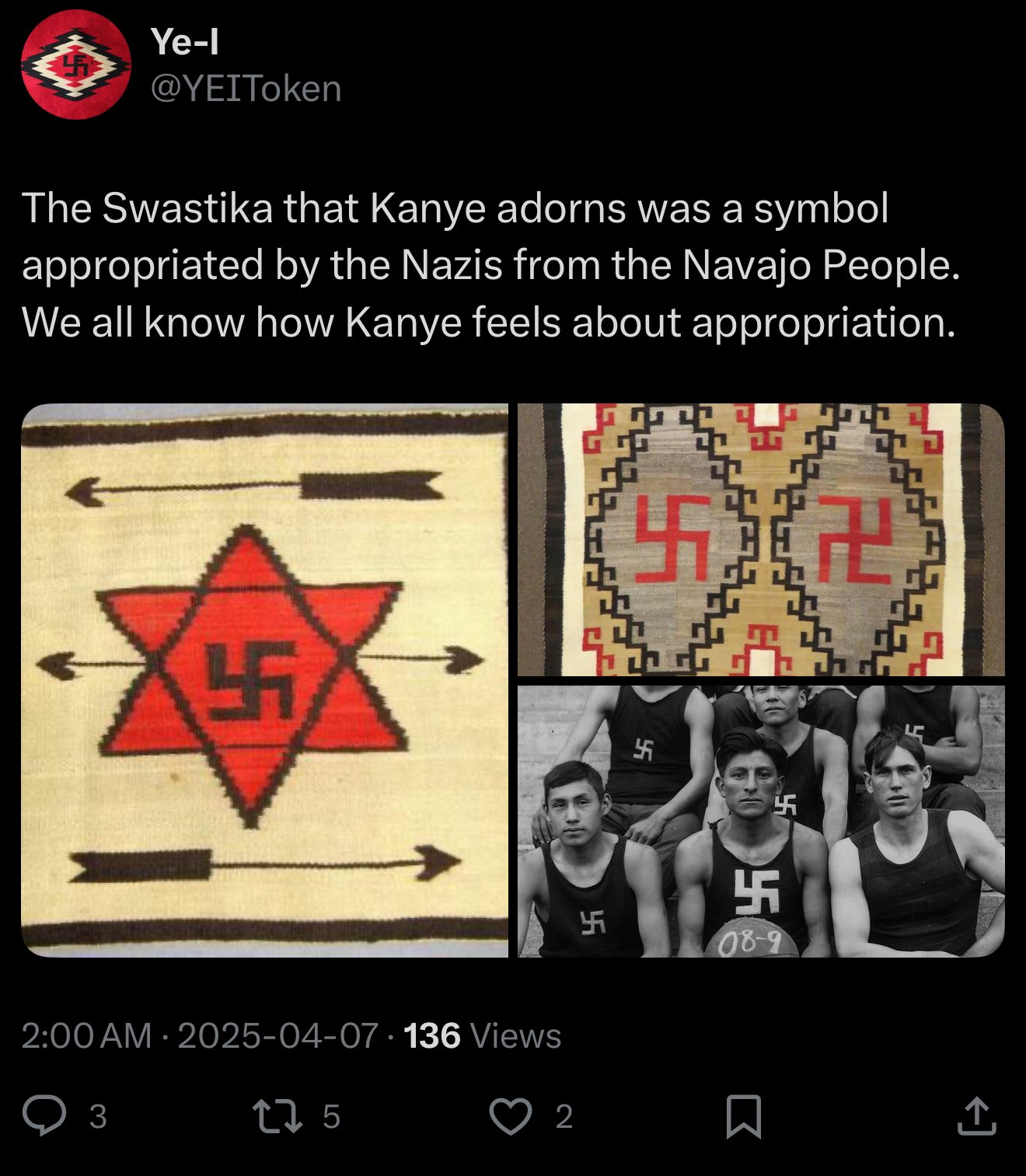
Two surface-level details are worth establishing immediately. The Yei symbol is a swastika — not the Nazi variant, but the ancient spiritual one that the Navajo call ‘the whirling logs » — and the name contains "Ye." Both place it squarely within Kanye's current cultural moment. Beyond that, Yei is a Navajo word meaning god — a quietly fitting detail given Kanye's well-documented view of himself.
" height="257.55883680668444px" id="CSz8nlAyP" width="256.135360666068px"/></svg>)
Native Influences
At first glance, Navajo and Native American culture seems entirely unrelated to Kanye West. Look closer, and a pattern emerges.
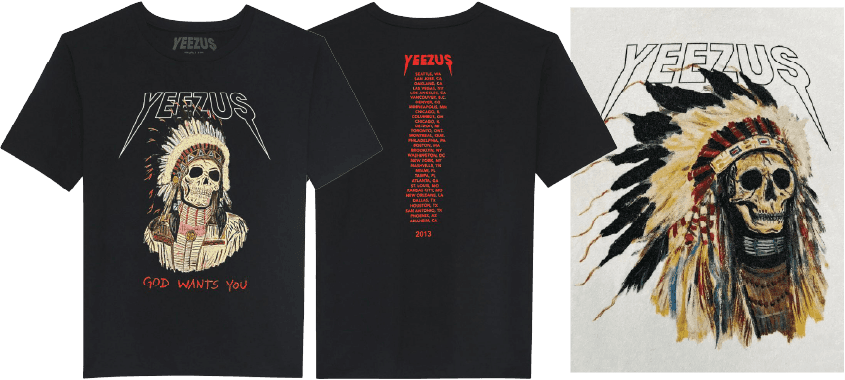
Yeezus Tour Merch (2013): Kanye used Native American imagery directly on merchandise during the Yeezus tour.
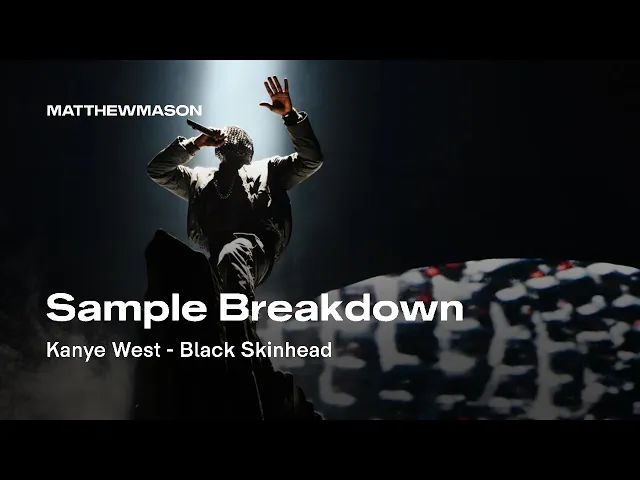
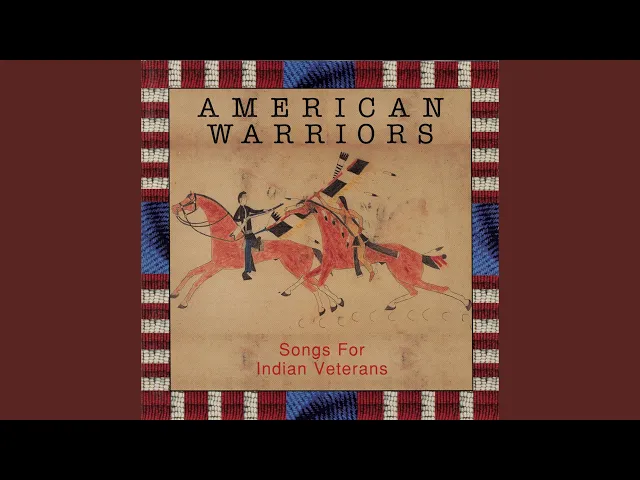
"Black Skinhead" (Yeezus, 2013): The track samples the song we used on the website, "Soldier Boy" by Black Lodge Singers, a Native American drum group — a deliberate sonic nod to Indigenous music baked into one of his most iconic records.

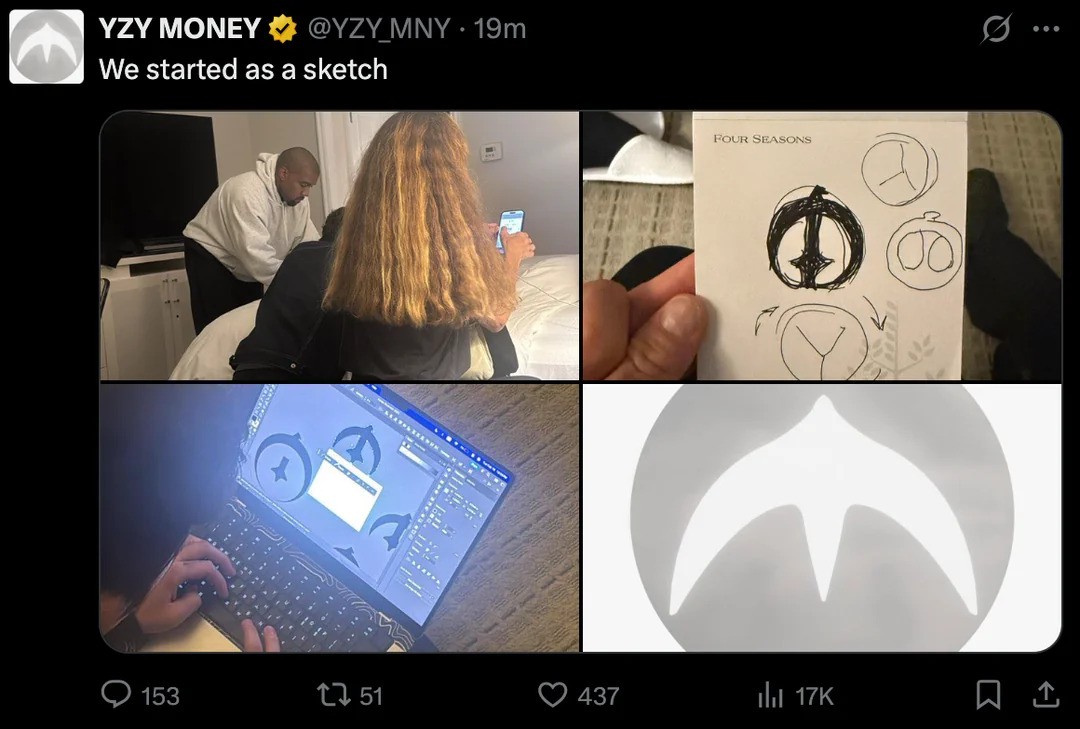
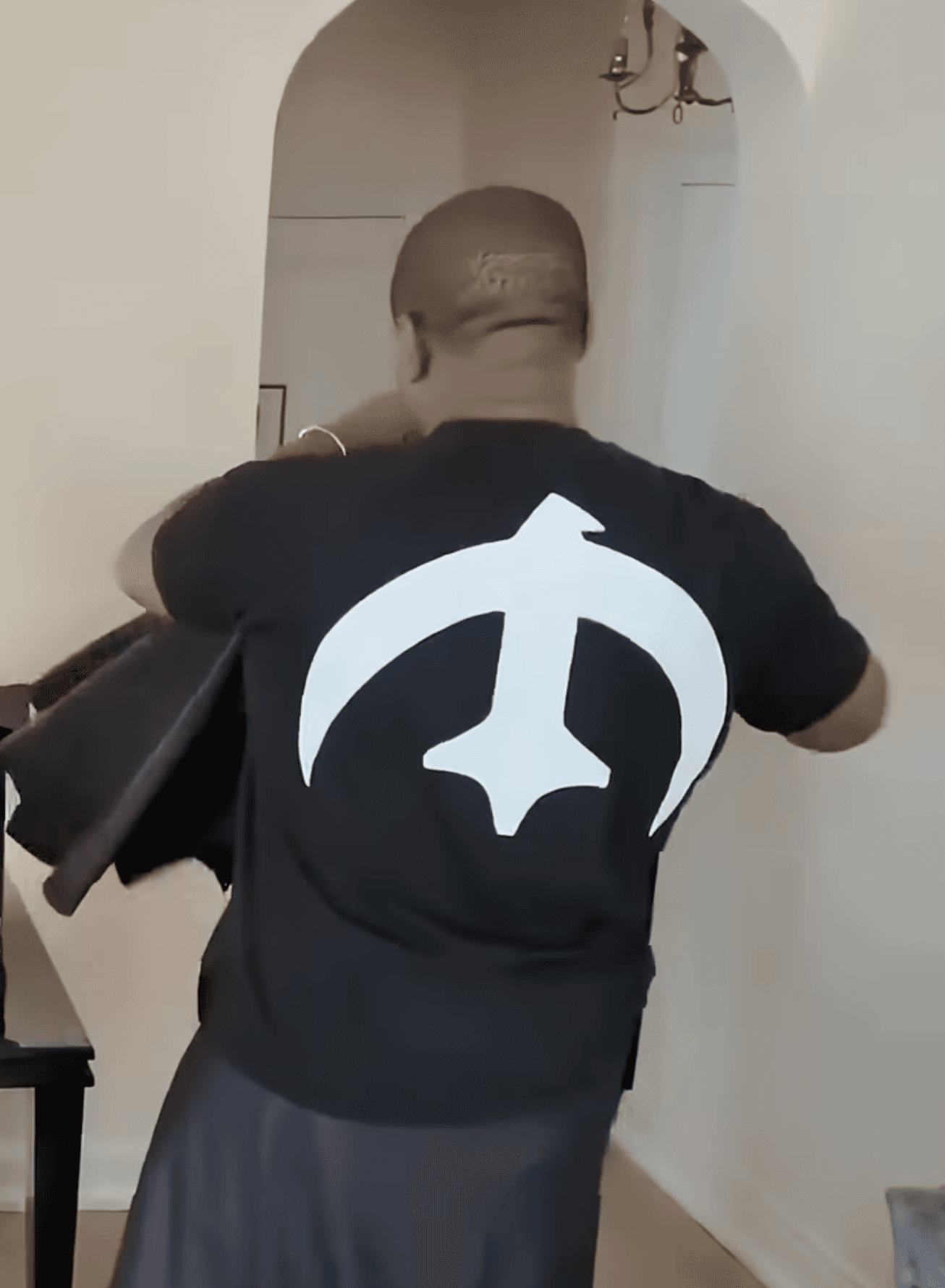
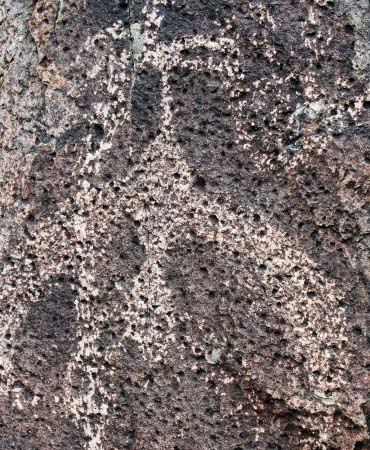
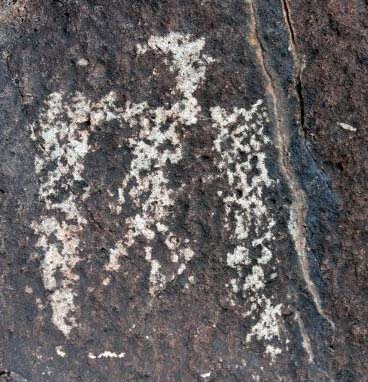
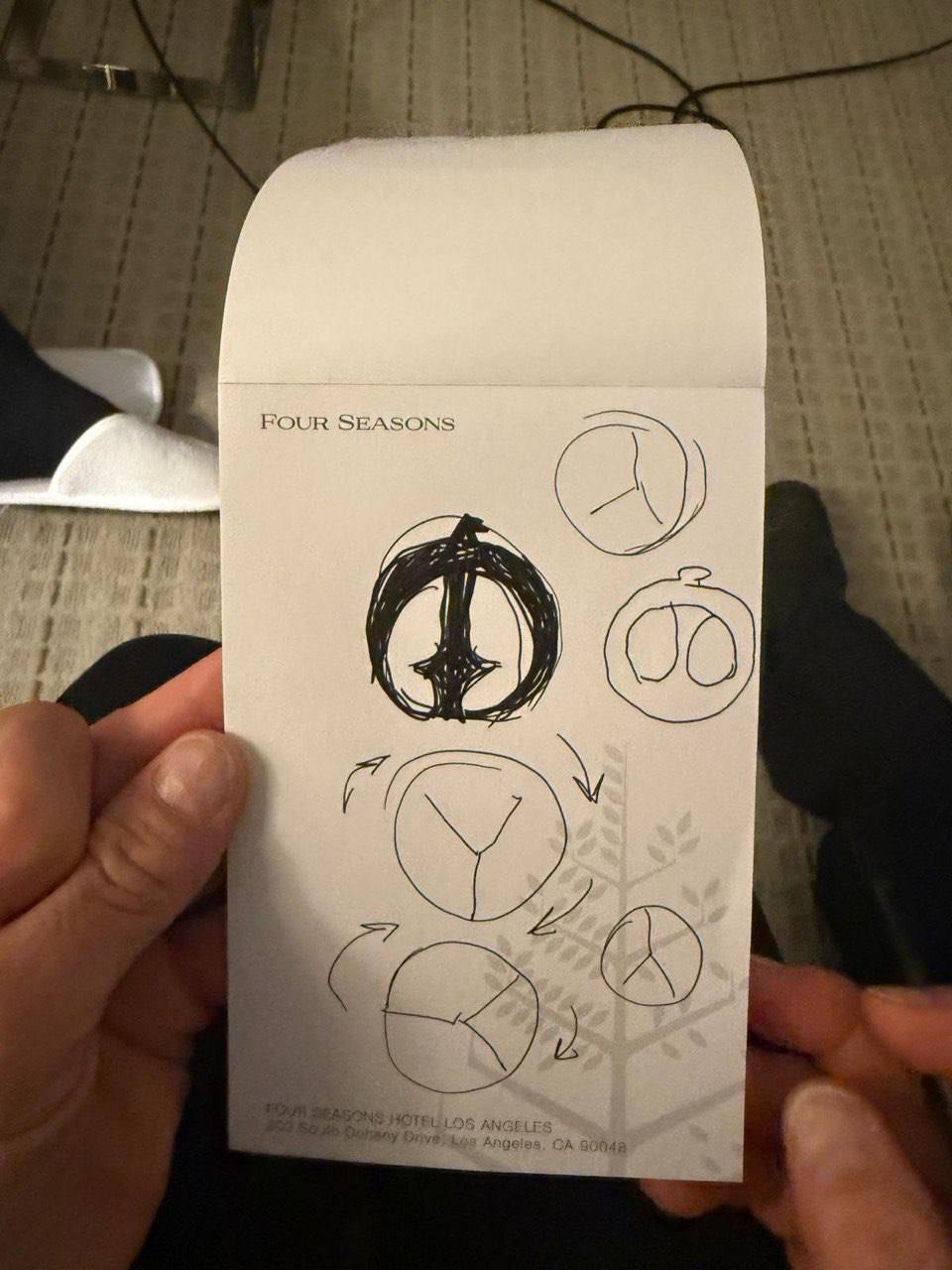
The Thunderbird Garment: In a Stream with akademiks last year, we could see ye wearing a black t-shirt featuring a symbol strikingly similar to petroglyphs found at the Three Rivers Petroglyph Site in New Mexico, near Navajo territory. That same symbol was used in the design process for the YZY MNY logo — his only officially supported token. The logo of Ye's own crypto project was inspired by Navajo art. That's not nothing.
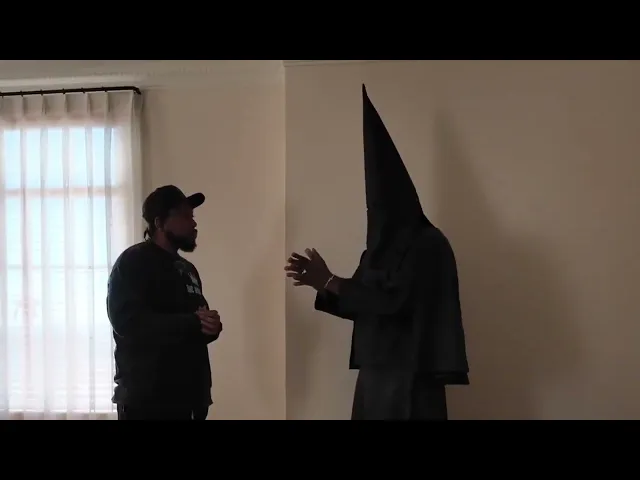
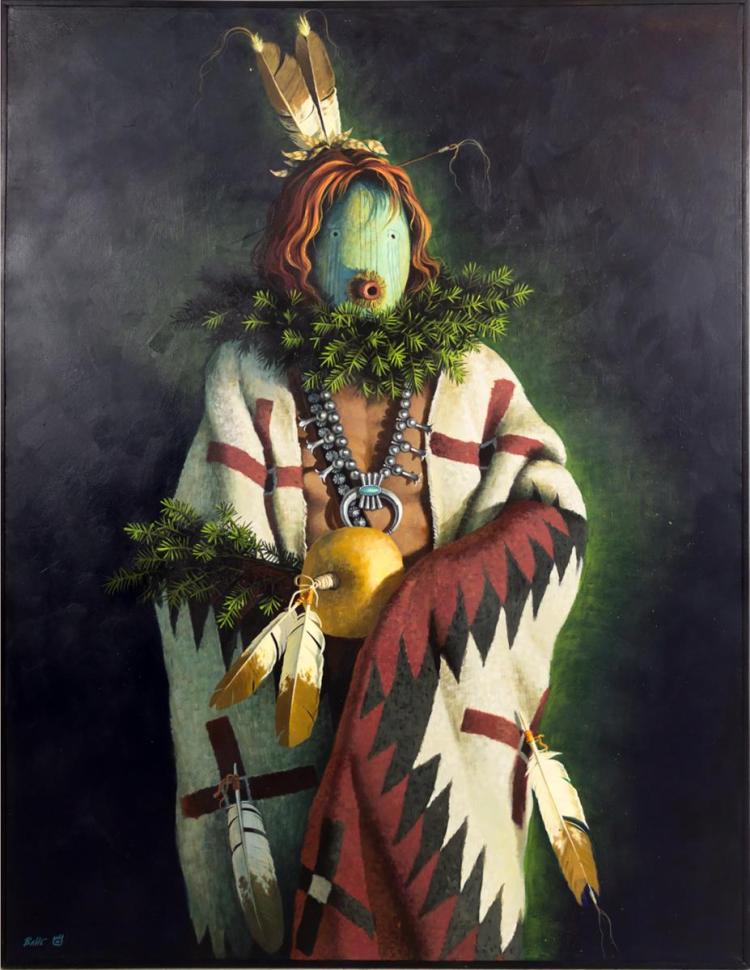
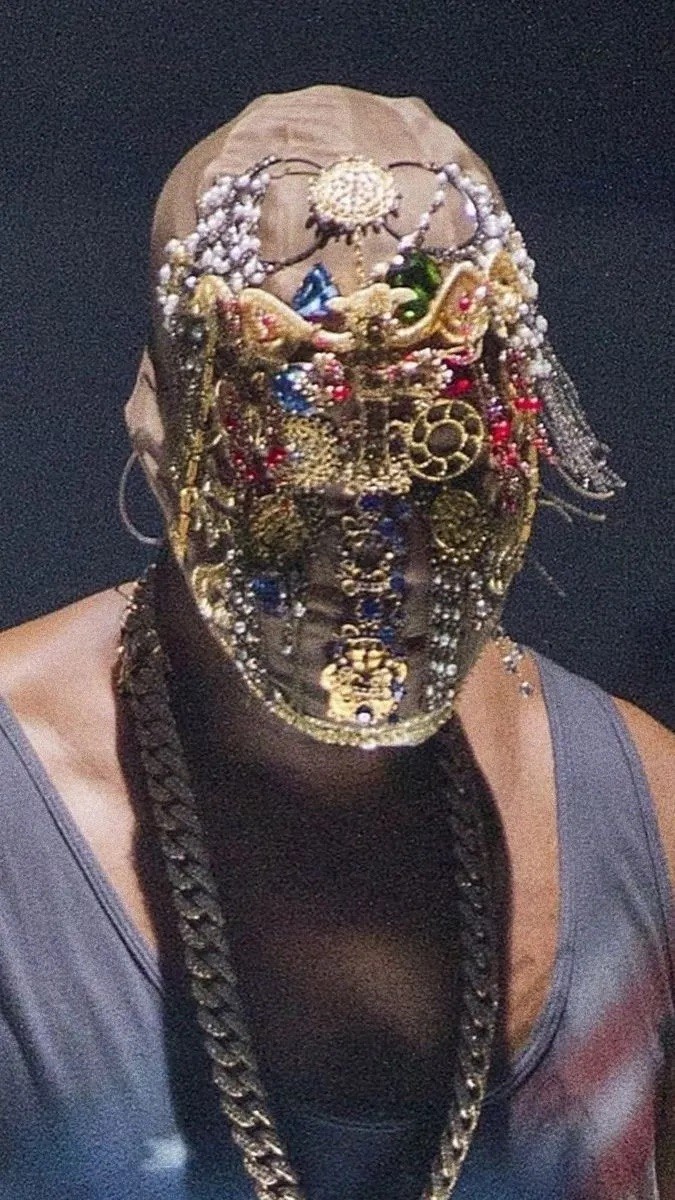
The Masks: Ye has occasionally worn masks that bear a notable resemblance to those used in Navajo Yeibichai ceremonies — sacred rituals in which masked dancers, called Yeibichai, impersonate deities. The deity they impersonate? Yei.
HEIL HITLER cover and clip: The cover art is a cave painting depicting what we read as a coyote — the Navajo trickster figure — in a swastika-like shape. Deliberate and unusual.
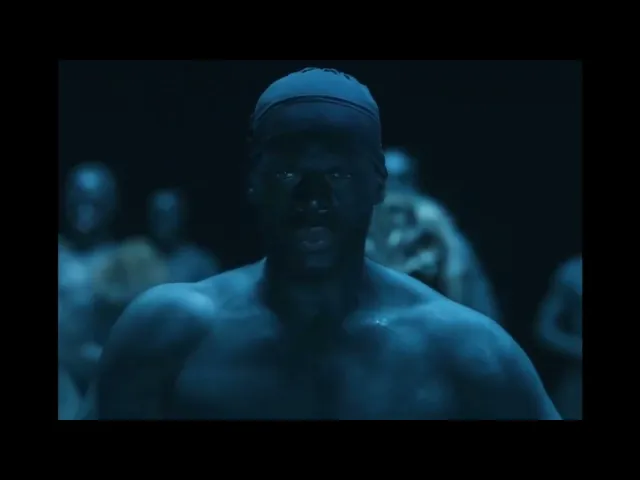
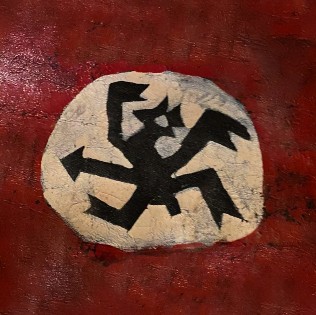
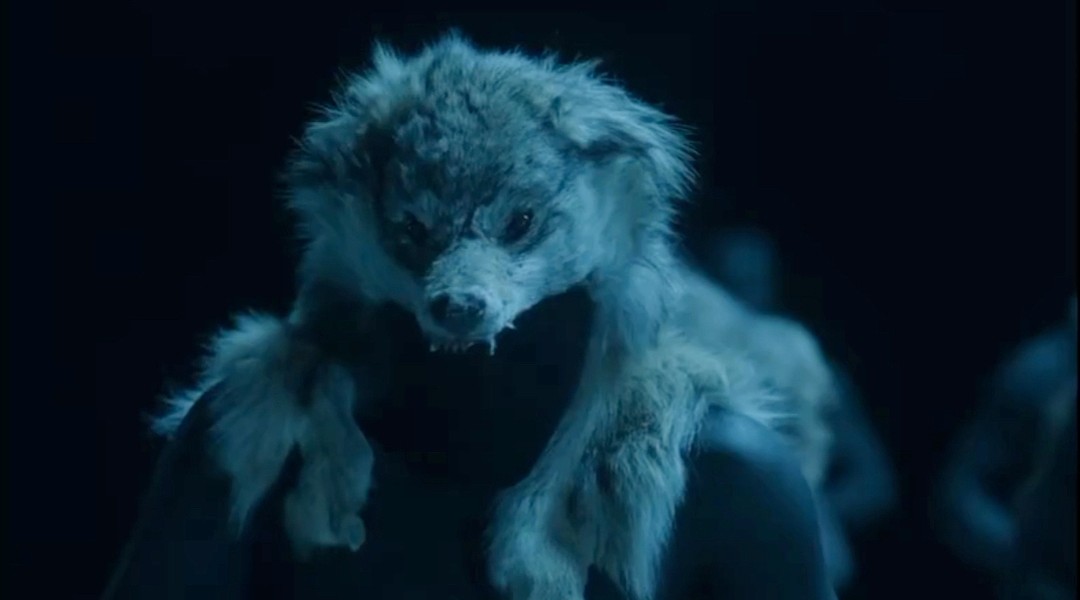
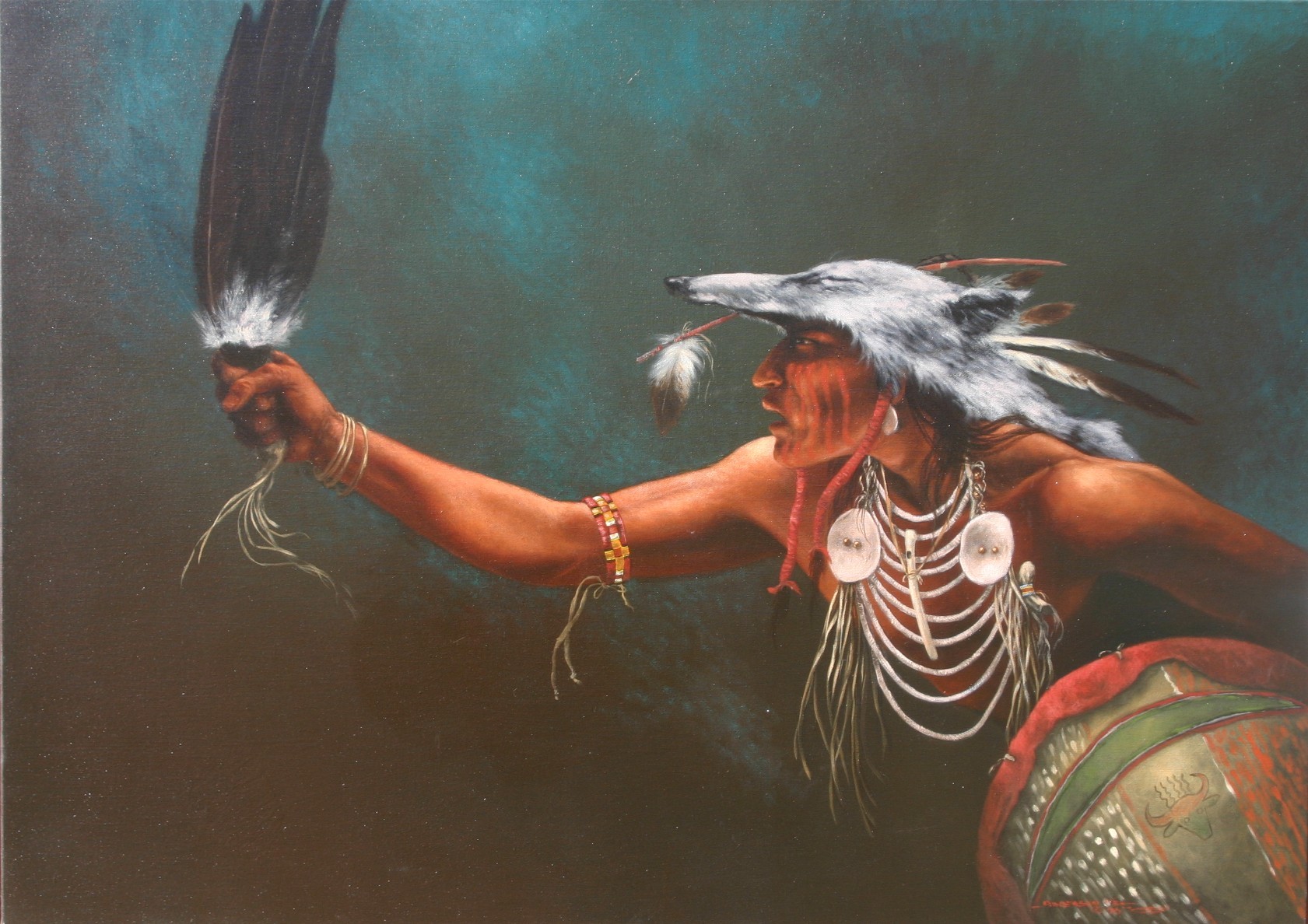
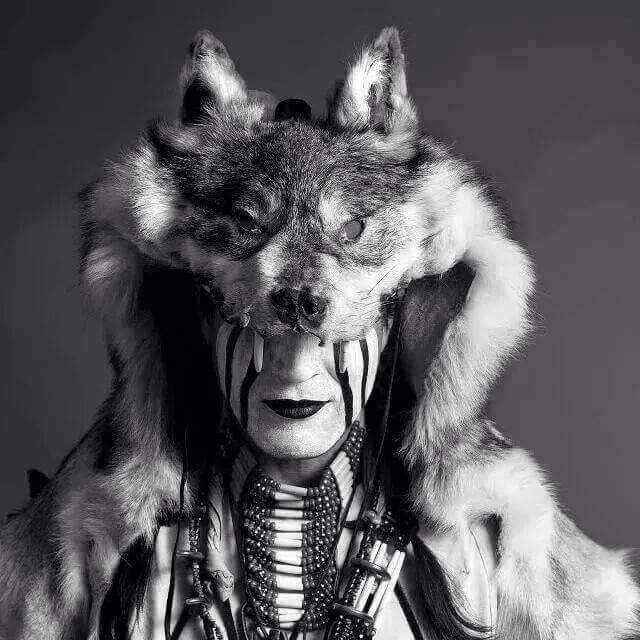
The video doubles down: every performer is dressed in animal skins and tribal garments mirroring Navajo ceremonial clothing. The camera lingers specifically on the figure in a wolf or coyote skin — a direct nod to Mą ii, the coyote trickster deity in Navajo tradition.
Tweets & Timing
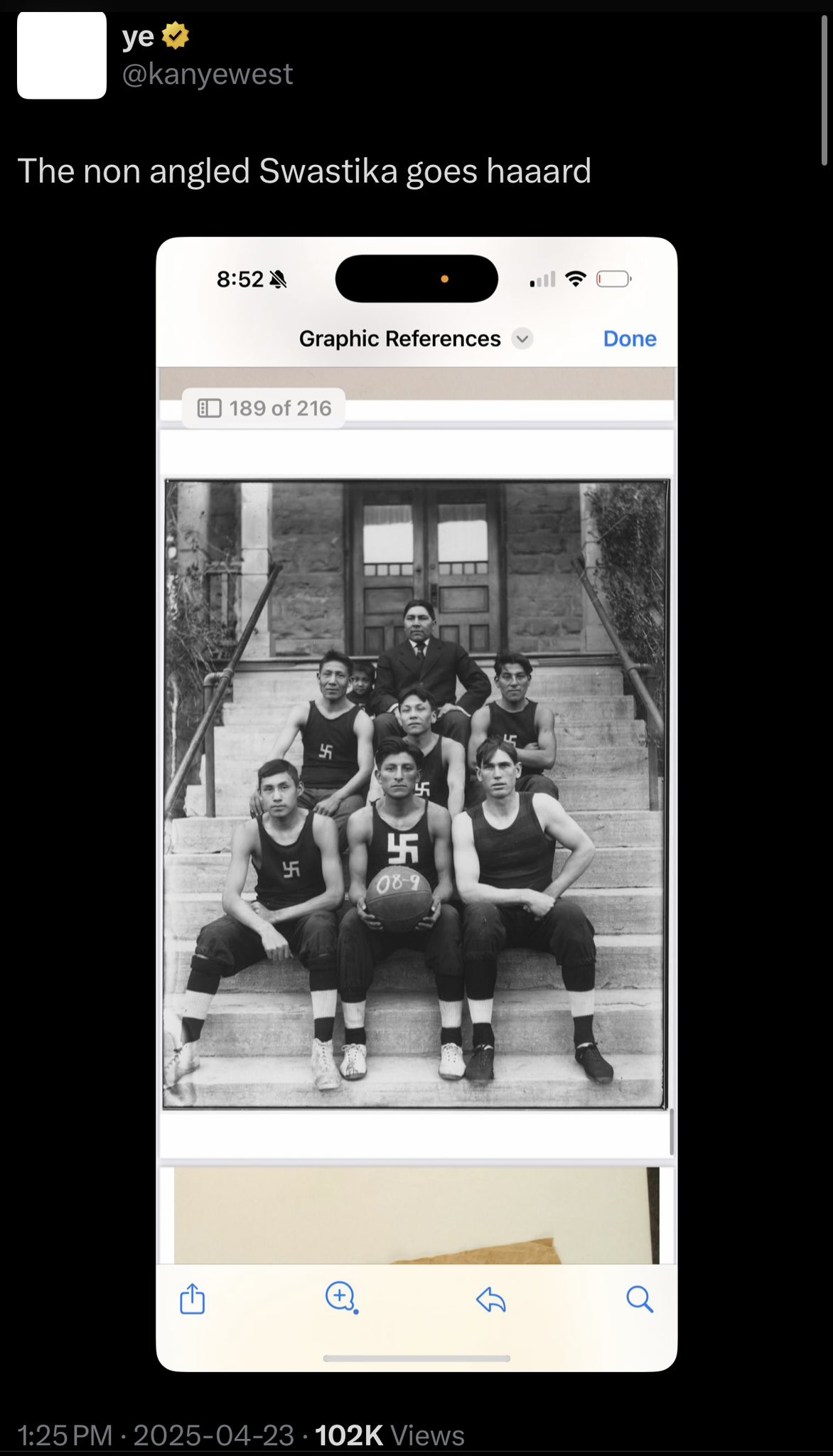
Our group found Yei almost from day one. But the moment it shifted from interesting to potentially significant was on April 23, 2025, when Ye posted a rare, obscure photograph of a Navajo basketball team wearing jerseys emblazoned with swastikas. The official Yei token account had shared that exact same image sixteen days earlier, on April 7, 2025.
That is difficult to explain as coincidence. And this single clue in our opinion serve as a discreet confirmation from ye that we are on the right track.
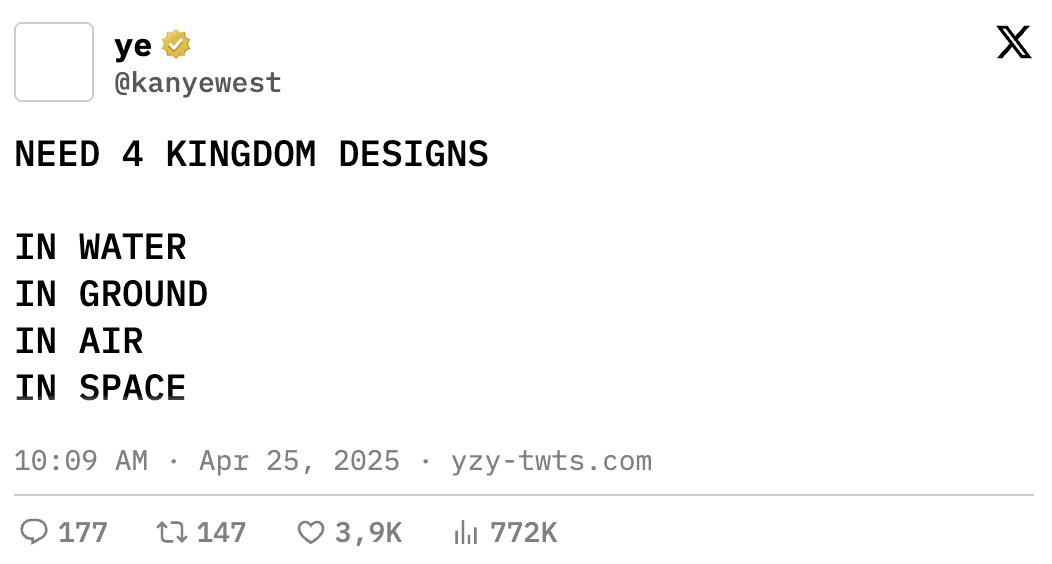
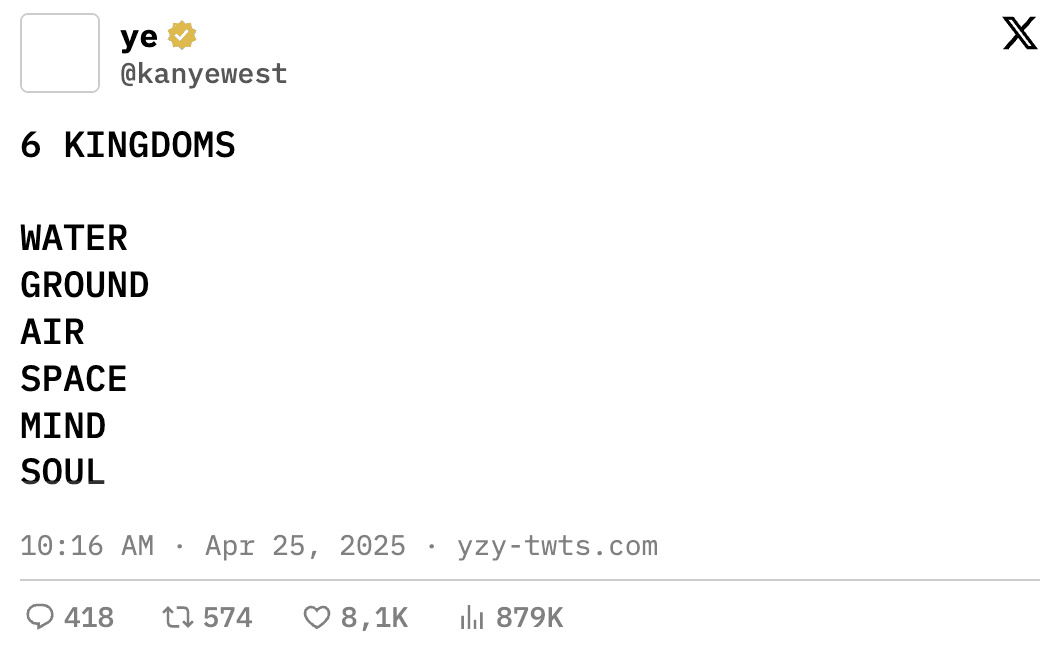
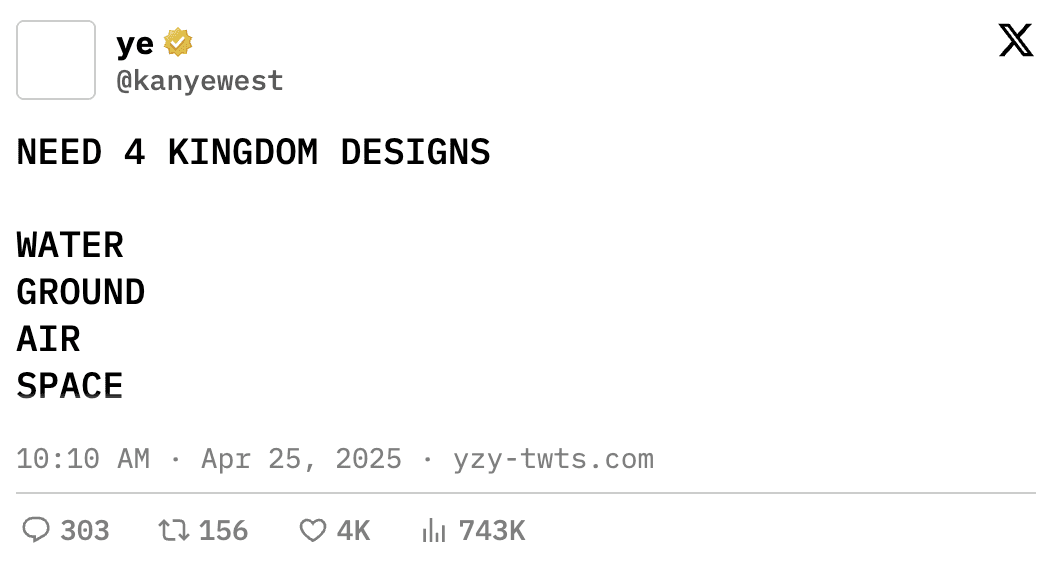
Two days after Ye's post, on April 25, he published three tweets referencing kingdoms. Then on May 10, the Yei developer shared a new swastika artwork clearly depicting four distinct kingdoms — directly echoing Ye's earlier tweets. The imagery and the timing align in a way that's hard to dismiss.
The Collective: Key Figures & How the Dots Are Being Connected
The following individuals have surfaced in discussions around Yei. Their connections range from direct to highly speculative — none have been confirmed. Read this as a map of theories, not established facts.
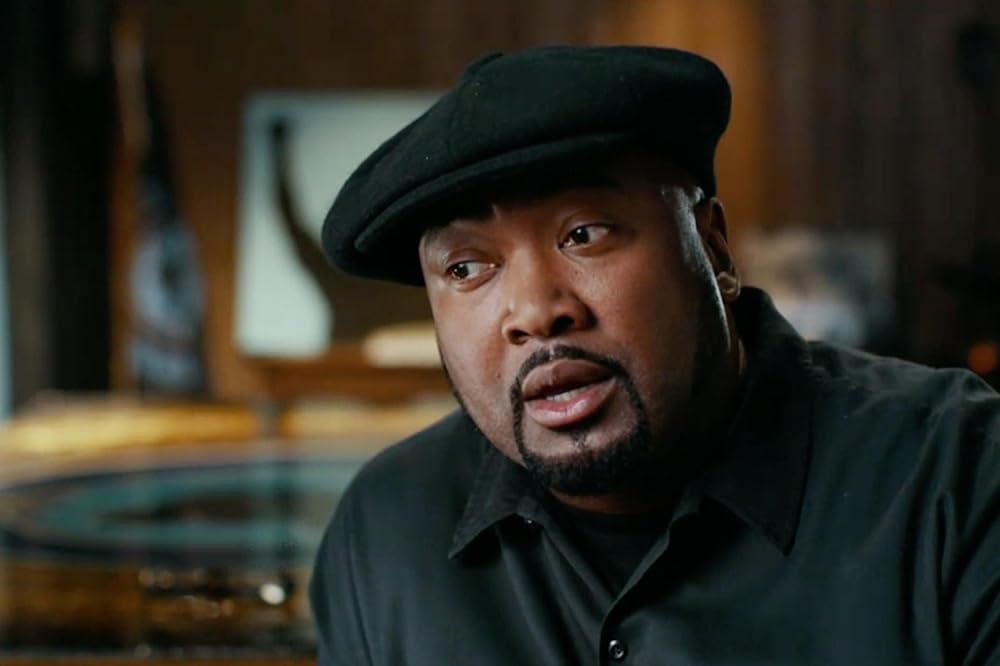
Anthony Hunter Savington is the individual most commonly identified as Yei's developer. He has been active in X Spaces and Telegram communities around the token. Most critically, claims exist that he has a direct connection to Malik Yusef — which, if true, would place Yei just one degree of separation from Kanye West. That link remains unverified, but it's the backbone of the entire theory.
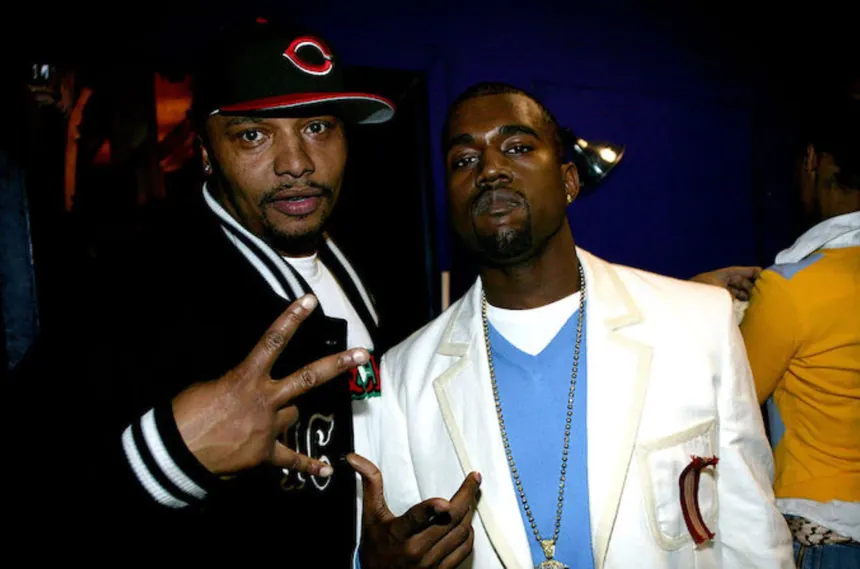
Malik Yusef is a Chicago-based rapper, poet, and longtime Kanye collaborator with deep roots in G.O.O.D. Music. He surfaces repeatedly in Yei fan theories as the most plausible bridge between Savington and Kanye. Nothing has been confirmed.
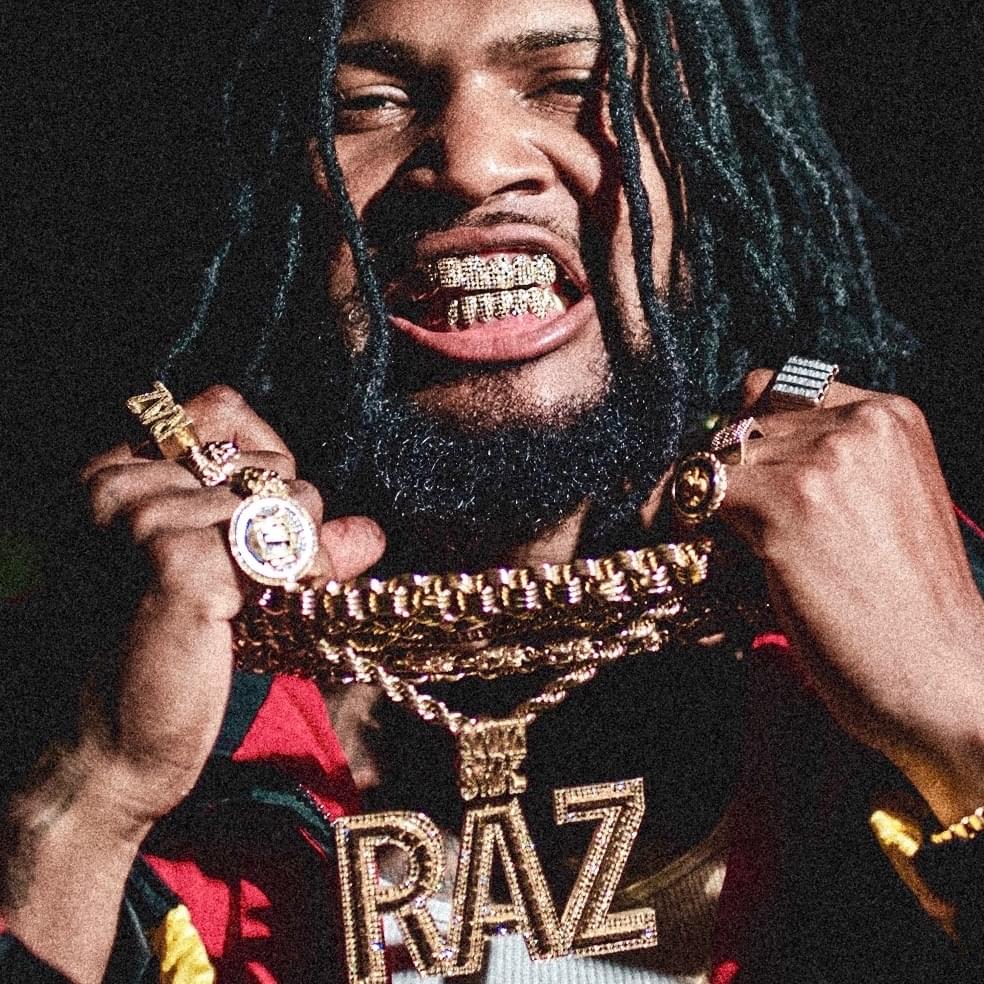
Raz Simone, a Seattle rapper and activist, has appeared in the Yei Telegram group and publicly name-dropped the project. His presence suggests more than passive awareness, though he hasn't been identified as a developer or official insider. He functions, at minimum, as a credible cultural signal around the project.
Fred Hampton Jr., son of Black Panther leader Fred Hampton and head of the Black Panther Cubs in Illinois, enters the picture loosely — through a 2009 track with Malik Yusef. There's no direct tie to Yei. It's noted here for completeness.
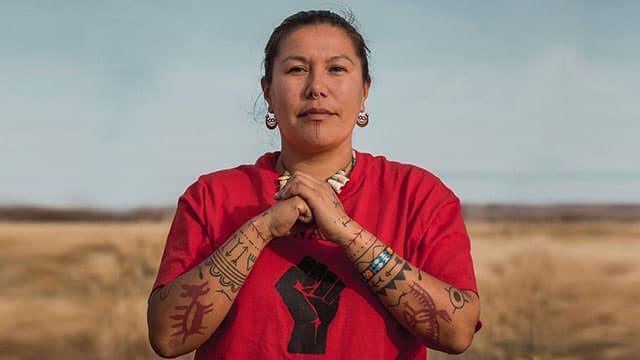
Kanahus Freedom Manuel is Anthony Savington's sister and a prominent Indigenous activist known for environmental and land rights work. Her connection is primarily familial, though her Indigenous background adds a layer of cultural coherence to a project built around Navajo symbolism.
Individually, none of these connections prove anything. Together, they form a pattern of overlapping associations and recurring names that's difficult to entirely dismiss. Whether that reflects genuine coordination or simply interconnected communities gravitating toward the same cultural moment remains the open question.